
Blueprint Post
Delete this blog post
Key Highlights
- Starting a small business involves a series of crucial steps, from refining your business idea to securing funding and establishing a legal structure.
- A comprehensive business plan is essential, acting as a roadmap for your business’s growth and helping you secure funding.
- Understanding your target market through market research and identifying your unique selling proposition is crucial for success.
- Legal requirements, including registering your business and obtaining the necessary permits, ensure you operate within the law.
- Marketing plays a vital role in attracting customers, building your brand, and achieving sustainable business growth.
Introduction
Venturing into the world of entrepreneurship and starting a small business is an exciting endeavor that requires careful planning, dedication, and a strategic mindset. A well-structured business plan acts as your roadmap, guiding you through the intricacies of launching and growing a successful business. This comprehensive beginner’s guide will provide valuable insights and actionable steps to help you navigate the fundamentals of starting a small business and setting yourself up for success.
Understanding the Small Business Landscape

The small business landscape is vast and diverse, encompassing a wide range of industries and business models. From innovative startups disrupting traditional markets to family-owned businesses serving local communities, small businesses are the backbone of many economies worldwide.
Understanding the dynamics of this landscape, including current trends, challenges, and opportunities, is essential for aspiring entrepreneurs. By staying informed and adapting to the ever-evolving market, you can position your small business for growth and sustainability.
Why Small Businesses are Crucial to the Economy
Small businesses play a vital role in driving economic growth and fostering innovation within any thriving economy. They create jobs, generate revenue, and stimulate local communities. By supporting small businesses, consumers contribute to a more vibrant and resilient economy.
Starting a small business allows individuals to pursue their passions, leverage their skills, and achieve financial independence. However, it also involves certain risks. It’s crucial to carefully assess your personal assets and financial situation before launching your venture.
By understanding the significance of small businesses in the broader economic context, you can approach entrepreneurship with a sense of purpose and make informed decisions that benefit both your business and the community.
Current Trends in Small Business Startups
The entrepreneurial landscape is constantly evolving, with new trends emerging and shaping the way small businesses operate and thrive. One notable trend is the rise of online businesses. The internet has significantly lowered startup costs and expanded the reach of small businesses, allowing them to tap into a global customer base.
Another significant trend is the growing focus on sustainability and social responsibility. Consumers are increasingly drawn to businesses that prioritize ethical practices, environmental consciousness, and community engagement.
By staying abreast of these trends, small business owners can adapt their strategies, connect with their target market more effectively, and position their businesses for long-term success in an ever-changing marketplace.
Preparing to Launch Your Small Business

Before diving headfirst into the exciting world of entrepreneurship, it’s essential to lay a strong foundation for your small business. This preparation phase involves assessing the viability of your business idea, understanding your target audience, and considering the financial and legal aspects of starting a business.
A thorough preparation phase helps minimize risks, maximize your chances of success, and ensures a smoother launch process. By addressing potential roadblocks early on, you can proceed with confidence and focus on building a sustainable and fulfilling business.
Assessing Your Business Idea for Viability
Every successful business starts with a great idea, but it’s crucial to assess its viability before investing significant time, money, and effort. This assessment involves conducting thorough market research to understand the needs and preferences of your potential customers.
Begin by identifying your target audience and analyzing their demographics, interests, and buying behavior. Explore the existing competition within your chosen market and evaluate their strengths, weaknesses, and market positioning.
Through thorough market research, you can gain insights into the demand for your business idea, identify potential challenges and opportunities, and refine your offerings to meet the specific needs of your target market.
Identifying Your Target Market and Customer Base
Identifying your target market is crucial for tailoring your products, services, and marketing messages to resonate with the right audience. Defining your customer base involves creating detailed customer profiles, outlining their demographics, psychographics, and buying behaviors.
Conducting a comprehensive market analysis helps you identify trends, patterns, and insights within your specific industry. This analysis helps you understand the competitive landscape, consumer preferences, and potential market gaps.
By clearly defining your target market and understanding their needs and motivations, you can develop targeted strategies to attract customers, build brand loyalty, and position your business for success.
Essential Considerations Before Starting

Before taking the leap into entrepreneurship, it’s crucial to address some essential considerations. These include crafting a unique value proposition that sets you apart from the competition and exploring the legal and financial aspects of starting a business.
By carefully evaluating these aspects, you can make informed decisions, minimize risks, and lay a solid foundation for a thriving business that aligns with your goals and aspirations.
Crafting a Unique Value Proposition
In a crowded marketplace, having a unique value proposition is paramount to differentiating your new business from competitors and attracting your target customer. This involves clearly communicating the specific benefits your products or services offer and why customers should choose you over alternatives.
Your unique value proposition should address your target customer’s pain points, offering solutions that are superior, more innovative, or more affordable than those of your competitors. Consider what makes your business special, whether it’s exceptional customer service, a unique product feature, or a commitment to sustainability.
By effectively communicating your unique value proposition, you can attract customers who resonate with your brand, build a loyal following, and establish a strong position in the market.
The Role of Market Research in Planning
Thorough market research is an indispensable part of developing a successful business model. It involves gathering and analyzing data about your target market, industry trends, and competitors. This information helps you make informed decisions about your business strategy.
Through market research, you can identify potential challenges and opportunities, assess the feasibility of your business idea, and tailor your offerings to meet the specific needs of your target market.
By understanding the dynamics of your chosen market, you can develop a robust business model that adapts to changing conditions and positions your business for long-term success.
What You Need to Get Started

Getting your small business off the ground requires essential equipment, resources, and a dedicated workspace, whether it’s a physical location or a virtual setup. Assessing your needs based on your business type and budget is crucial.
From basic office supplies to industry-specific tools, making a checklist will help you stay organized, minimize unnecessary expenses, and ensure a smooth and efficient launch.
Basic Equipment and Resources for Your Business
Equipping your small business with the right tools and resources is essential for productivity, efficiency, and professional operations. While the specific requirements vary depending on the nature of your business, certain basic equipment is common across industries.
Investing in reliable computers, printers, and communication devices, such as phones and internet service, is crucial for managing daily operations. Additionally, consider office space, either renting a physical location or creating a functional home office, depending on your needs.
Carefully budgeting for these essential items ensures you allocate sufficient funds to cover necessary business expenses without overspending in the early stages.
Setting Up Your Business Workspace
Creating a dedicated and inspiring business workspace is essential for productivity and focus, whether you choose a traditional office, a co-working space, or a home office. When selecting your workspace, consider factors like location, accessibility, and cost.
If operating from home, establish a dedicated area free from distractions, with a comfortable chair, good lighting, and reliable internet. Research local real estate options and compare lease terms if you require a more professional setting.
A well-designed and functional business workspace can enhance productivity, foster creativity, and promote a professional image for your business.
Step-by-Step Guide to Launching Your Business
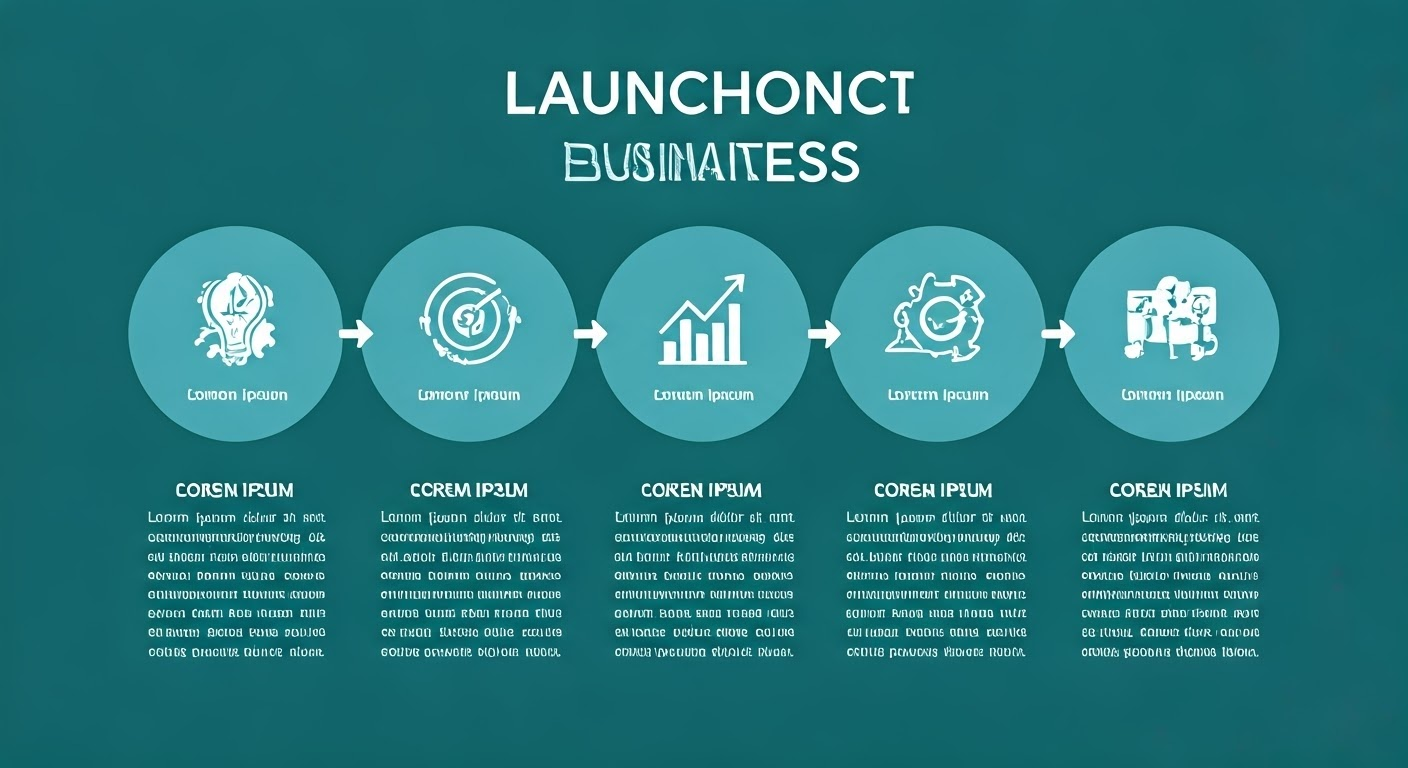
Launching a small business involves a series of crucial steps that are essential for establishing a strong foundation for your venture. Following these steps in order ensures compliance with legal requirements and sets you on the path to success.
By addressing each step thoroughly, you can confidently launch your business, knowing that you’ve covered all the bases.
Step 1: Developing a Business Plan
A well-crafted business plan serves as a roadmap for your business, outlining your goals, strategies, and financial projections. A solid business plan is not only essential for securing funding from investors but also for guiding your business’s growth.
Start by defining your business idea, target market, and competitive landscape. Detail your marketing and sales strategies, outlining how you plan to reach and acquire customers. Include a comprehensive financial plan with projected income statements, cash flow statements, and a balance sheet.
A well-structured business plan provides clarity, direction, and a clear path to success, helping you navigate the challenges and opportunities of entrepreneurship.
Step 2: Choosing a Business Structure
Selecting the appropriate legal structure for your business is a crucial decision that impacts liability, taxation, and administrative requirements. Common options include sole proprietorships, partnerships, limited liability companies (LLCs), and corporations.
Sole proprietorships offer simplicity but provide no legal separation between you and your business. Partnerships distribute liability among partners, while LLCs provide limited liability protection, shielding your personal assets.
Corporations, though more complex to set up, offer the highest level of liability protection but come with increased regulatory requirements. Consulting with a legal professional is advisable to determine the most suitable structure for your specific needs.
Step 3: Registering Your Business Name
Once you’ve chosen a name for your business, it’s essential to register it to establish legal ownership and protection. The process varies by state, but generally involves filing paperwork with the Secretary of State’s office or a similar agency.
You’ll need to check for name availability and potentially file for a DBA (Doing Business As) if you’re using a name other than your legal business name. Once registered, you’ll receive documentation confirming your business name’s legal status.
Registering your business name provides legal recognition, protects you from infringement, and allows you to operate your business with a distinct identity.
Step 4: Obtaining Necessary Licenses and Permits
Operating a legitimate business requires obtaining the necessary licenses and permits from federal, state, and local authorities. The specific requirements vary based on your business type, location, and industry.
Contact your local city or county clerk’s office to inquire about a general business license. Depending on your business activities, you may need additional permits, such as a sales tax permit if you’re selling taxable goods or services, or specialized licenses for professional services.
Operating without required licenses can lead to fines, legal issues, and even business closure. Ensure compliance by researching and obtaining all necessary permits to operate legally.
Step 5: Setting Up Your Business Finances
Proper financial management is crucial from day one. Open a dedicated business bank account to keep your personal and business finances separate. This not only simplifies accounting but also makes it easier to track business expenses and income.
Consider using accounting software to streamline financial processes, such as invoicing, expense tracking, and financial reporting. Building a good business credit score is essential for accessing financing options in the future.
Responsible financial management helps you maintain a clear picture of your business’s health, make informed decisions, and secure funding for growth when needed.
Step 6: Creating Your Brand Identity
Establishing a strong brand identity is crucial for differentiating your business and resonating with your target audience. It encompasses your brand name, logo, visual elements (colors, typography), messaging, and overall customer experience.
A well-defined brand identity communicates your business values, personality, and unique selling proposition. Consistency across all platforms is key – from your website and marketing materials to your social media presence and customer interactions.
Consider your target market’s preferences, industry trends, and your business type when shaping your brand identity to create a cohesive and memorable brand experience.
Step 7: Building Your Online Presence
In today’s digital age, establishing a strong online presence is non-negotiable. Start by securing a domain name that reflects your brand and creating a professional website. Your site should showcase your products or services, provide essential business information, and offer a user-friendly experience.
Creating social media accounts on relevant platforms allows you to connect with your target audience, build brand awareness, and drive traffic to your website. Regularly update your online channels with engaging content, industry news, and special offers.
A solid online presence allows potential customers to find you easily, learn about your business, and engage with your brand, ultimately driving growth and brand loyalty.
Step 8: Preparing for Launch Day
Launch day is an exciting milestone for any business owner. Before you open your doors to the public (virtually or physically), finalize all the details to make it a success. Thoroughly test your products or services, train your staff, and ensure everything is in place operationally.
Implementing a strategic marketing plan is crucial. Utilize social media, email marketing, and local advertising to create buzz, generate excitement, and attract customers. Celebrate your launch with a special event, promotion, or grand opening to create a memorable experience.
Launching a business requires careful planning and execution. By addressing every aspect with attention to detail, you can set the stage for a smooth and successful launch.
Financing Your Small Business

Securing adequate funding is often a top priority when starting a small business. Several funding options are available, each with its own terms, conditions, and eligibility criteria. Before making a decision, carefully evaluate your financial needs and explore all available avenues.
It’s crucial to consider factors such as interest rates, repayment terms, and the potential impact on your business’s ownership structure. By carefully assessing your financing options, you can make informed decisions that align with your financial goals.
Exploring Your Funding Options
Exploring various funding options is crucial for securing the necessary capital to launch and grow your small business. Traditional options include bank loans, lines of credit, and Small Business Administration (SBA) loans.
Alternative funding sources, such as venture capital and angel investors, offer more significant investments but may require giving up equity in your company. Crowdfunding has also emerged as a popular option, allowing businesses to raise funds from a pool of individual investors.
Each funding option comes with its own advantages and drawbacks. It’s crucial to fully understand the terms, conditions, and potential impact on your business before making a decision.
Understanding Small Business Loans
Small business loans play a vital role in providing entrepreneurs with the financial resources they need to start or expand their ventures. These loans, offered by banks, credit unions, and alternative lenders, are tailored to meet the unique needs of small businesses.
Understanding the different types of small business loans is crucial to selecting the best fit for your business needs. Some common types include term loans, lines of credit, and equipment financing. Before applying, review your business plan, financial statements, and credit score to increase your chances of approval.
Small business loans can be instrumental in providing the capital necessary to cover startup costs, manage cash flow, or invest in growth opportunities.
The Basics of Crowdfunding
Crowdfunding has emerged as a popular method for entrepreneurs to raise funds for their startups or new projects. It involves collecting small amounts of money from a large number of individual backers, typically through online platforms.
Crowdfunding offers several advantages, including access to capital without giving up equity, market validation, and building a community around your brand. Different types of crowdfunding exist, such as donation-based, equity-based, and rewards-based.
If you’re considering crowdfunding, research reputable platforms, create a compelling campaign page, and engage actively with potential backers to maximize your chances of success.
Legal Requirements and Considerations

Navigating the legal and regulatory landscape is crucial for ensuring your small business operates within the bounds of the law. This includes understanding local, state, and federal regulations that pertain to your industry, business structure, and operations.
Failure to comply with legal requirements can result in penalties, lawsuits, and damage to your business reputation. Seeking legal counsel from a qualified professional can provide valuable guidance and peace of mind.
Navigating Local and Federal Regulations
Starting and running a business comes with inherent legal and regulatory obligations. It’s essential to familiarize yourself with both local and federal regulations to ensure compliance and avoid potential legal issues. Federal regulations cover aspects such as employment law, taxes, and advertising.
Local regulations might include zoning ordinances, permits, and licensing requirements specific to your city or county. Consulting with a business attorney or legal professional is highly recommended to navigate the complexities of business law.
Staying informed about changes in regulations is crucial for maintaining compliance. Subscribe to industry newsletters and resources to stay updated on relevant legal and regulatory updates.
Protecting Your Business with Insurance
Protecting your small business with appropriate insurance coverage is vital to mitigating financial risks associated with unexpected events. Business insurance provides financial safeguards against property damage, liability claims, and employee-related incidents.
General liability insurance is crucial, as it covers bodily injury, property damage, and personal injury claims. Depending on your business type, you might also need professional liability insurance, product liability insurance, or commercial property insurance.
Consult with an insurance broker to discuss your specific needs and obtain adequate coverage. Business insurance provides peace of mind, knowing that you’re financially protected.
Marketing Your New Business

Marketing is essential for attracting customers, building brand awareness, and driving revenue. Develop a clear and concise marketing plan that outlines your target audience, marketing channels, and key performance indicators.
By strategically deploying your marketing budget, tracking results, and adapting your approach, you can maximize your marketing efforts’ impact and reach your target audience effectively.
Crafting an Effective Marketing Plan
A well-defined marketing plan serves as a roadmap to reach your target market, build brand awareness, and achieve business goals. Begin by identifying your target audience and understanding their demographics, needs, and preferences.
Research effective marketing channels to reach your audience, whether it’s social media, content marketing, email campaigns, paid advertising, or a combination of strategies. Set realistic and measurable goals for your marketing campaigns.
A solid marketing plan guides your efforts, ensures consistency in messaging, and allows you to track progress and make adjustments based on performance data.
Leveraging Social Media for Business Growth
Social media has become an indispensable tool for businesses of all sizes, offering opportunities to connect with target audiences, build brand awareness, and drive business growth. Identify the platforms where your target audience spends their time and tailor content accordingly.
Engage with followers by responding to comments and messages, running contests and giveaways, and sharing valuable and relevant content. Use social media analytics to track your performance, measure engagement, and adjust your strategy based on insights.
Social media, when used effectively, can significantly enhance your online presence, drive traffic to your website, and contribute to increased sales and brand loyalty.
Tips for Building Customer Relationships
Building lasting customer relationships is essential for the long-term success of any business. Providing excellent customer service should be a top priority. Respond promptly to inquiries, resolve issues efficiently, and go the extra mile to exceed customer expectations.
Implement an email marketing strategy to stay connected, share valuable content, promote special offers, and nurture relationships with your audience. Request customer feedback through surveys, polls, or reviews to gather insights and improve their experience.
By prioritizing customer satisfaction and building authentic relationships, you’ll cultivate brand ambassadors who recommend your products or services to others, fostering sustainable business growth.
Managing Your Small Business

As your small business expands, managing day-to-day operations, optimizing workflows, and potentially hiring and managing employees becomes crucial for sustained growth. Establishing efficient systems and processes ensures smooth sailing.
From delegating tasks effectively to maintaining meticulous financial records, efficient management practices contribute to the long-term sustainability and profitability of your business.
Daily Operations and Workflow Optimization
As a business owner, effectively managing daily operations is paramount to ensure efficiency, productivity, and customer satisfaction. Streamline routine tasks, such as order processing, customer service, and inventory management, by implementing standardized procedures and utilizing technology where appropriate.
Continuously analyze your workflows to identify bottlenecks, improve communication, and enhance efficiency. Delegate tasks to employees or contractors based on their skills and expertise.
Efficient daily operations enable you to focus on strategic initiatives, improve customer experience, and create a more profitable and sustainable business.
Hiring and Managing Employees
Hiring employees is a significant step for any business owner, requiring careful planning and compliance with legal requirements. Begin by obtaining an Employer Identification Number (EIN) from the IRS, which is necessary for tax purposes.
Clearly define job roles and responsibilities, and develop a structured hiring process that includes screening resumes, conducting interviews, and checking references. Once hired, establish clear performance expectations and provide adequate training and support.
Managing employees effectively involves fostering a positive work environment, providing regular feedback, and offering opportunities for growth and development, leading to increased employee satisfaction and retention.
Accounting and Financial Management for Small Businesses
Accurate and timely accounting and financial management are vital for making informed business decisions and ensuring compliance with tax regulations. Explore using accounting software to streamline processes such as invoicing, expense tracking, and financial reporting.
Consult with a qualified accountant to assist with tasks like tax preparation and financial analysis, ensuring compliance with income tax obligations and maximizing deductions. Implement sound financial practices such as separating business and personal finances, tracking cash flow, and monitoring key performance indicators.
By maintaining organized financial records and seeking professional guidance, you can effectively manage your business’s finances, minimize risks, and support its growth and profitability.
Growing and Scaling Your Business
Once you’ve established a stable foundation, seek opportunities to grow and scale your business. Conduct thorough market research, assess customer feedback, and analyze industry trends to identify new markets, products, or services that align with your business goals.
Consider expanding your marketing reach, investing in new technologies, or forming strategic partnerships to accelerate growth. Continuous innovation and adaptation are essential.
Strategies for Business Expansion
Expanding your business requires careful planning, strategic thinking, and a deep understanding of your target market. Conduct a comprehensive market analysis to identify opportunities for growth, assess the competitive landscape, and identify potential challenges.
Consider increasing your marketing efforts, targeting new customer segments, or exploring new geographic regions. Scaling your business might involve streamlining operations, investing in new technologies, or outsourcing certain tasks.
However, expansion should be approached strategically to avoid overextending resources or compromising quality.
Innovating Your Product or Service Offering
In today’s competitive market, continuous product innovation is essential for maintaining a competitive edge. Stay informed about industry trends, research emerging technologies, and listen attentively to customer feedback.
Seek ways to improve your existing products or services, adding new features, enhancing functionality, or improving user experience. Consider expanding your service offering to meet evolving customer needs or target new segments.
Innovation keeps your offerings relevant, differentiates your business, and attracts new customers while fostering loyalty among existing ones.
Conclusion
Starting a small business can be daunting, but with the right guidance and preparation, you can set yourself up for success. Understanding the landscape, identifying your target market, and creating a unique value proposition are key steps in launching your venture. Crafting a solid business plan, establishing your brand identity, and building an online presence are crucial for visibility and growth. Remember to stay compliant with legal requirements, manage your finances effectively, and focus on marketing strategies to attract customers. As you navigate daily operations and consider expansion, keep learning and adapting to ensure your business thrives in the long run. Good luck on your entrepreneurial journey!
Frequently Asked Questions
How much capital do I need to start a small business?
The capital needed varies widely based on the small business type and industry. Develop a detailed financial plan outlining startup costs. Explore funding options like personal savings, investments, or a business loan if needed.
Can I start a business while working a full-time job?
Yes, many entrepreneurs start their own business while working full-time. It requires effective time management, dedication, and a viable business idea. Focus on building your business during evenings and weekends until it generates sufficient income.
What are the common mistakes to avoid when starting a small business?
Common mistakes to avoid include neglecting market research, poor financial management, a weak business plan, insufficient marketing, and not adapting to changing consumer needs.
How do I protect my small business idea?
Consult with an attorney to discuss legally protecting your business idea. Options include patents, trademarks, copyrights, and non-disclosure agreements (NDAs). Additionally, consider the best legal structure for your business to safeguard your personal assets.
What digital tools are essential for new small businesses?
Essential digital tools for small businesses include accounting software to manage finances, a website and social media for online presence, customer relationship management (CRM) software, and project management tools.